
Production
From Lake to Farm: The Artemia Cyst's Journey
Every artemia cyst undergoes a long journey before becoming live feed for your shrimp or fish. We are proud of every step of this journey, and we will tell you about it.
Harvesting from the lake area
It all begins at Lake Bolshoye Yarovoye. When artemia lay their eggs, they float to the surface. The wind chases them across the water, and they accumulate along the shores.
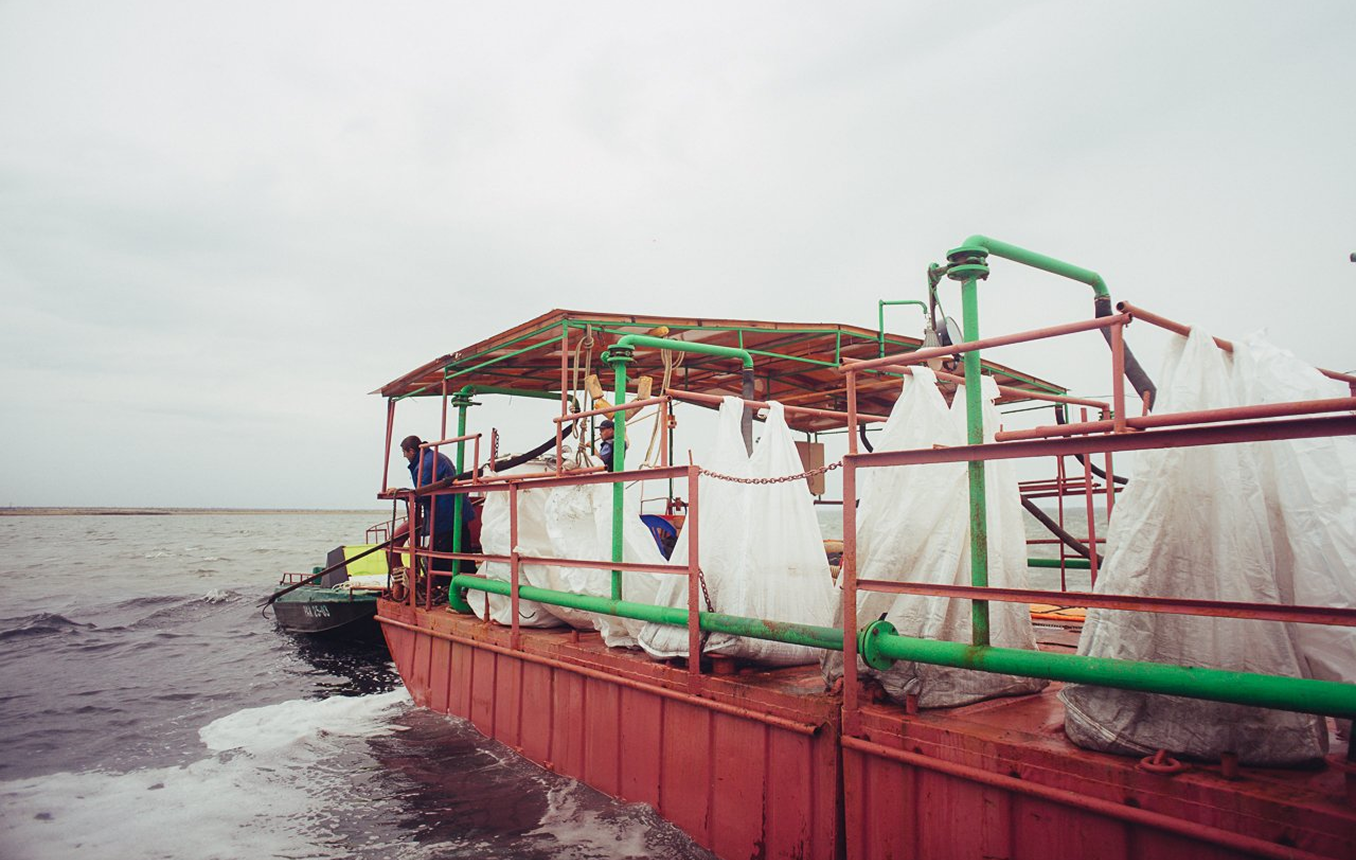
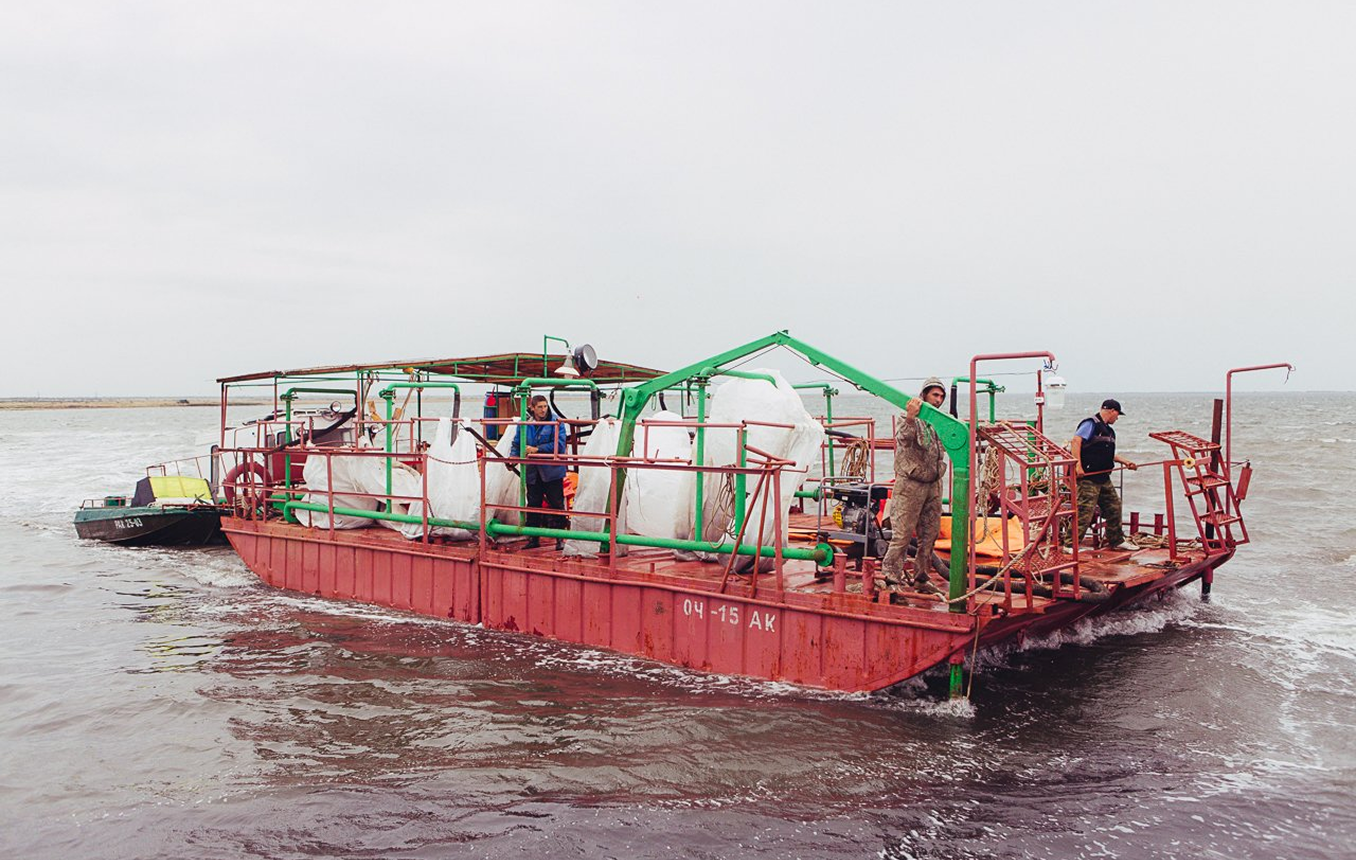
But this is not accidental—it's science. Before harvesting, we send a quadcopter for reconnaissance. Spotting clusters, we dispatch a boat with a barge.
We're in no rush. If there's a lot of biomass (live crustaceans) or last year's shells in the water along with the cysts, we wait. Purity is more important than quantity.
Using special pumps, we collect millions of eggs along with the brine. The water flows back into the lake, and the cysts remain in containers, heading to shore.
Shore Harvesting of Cysts
The wind dictates the collection spot. Shore harvesting requires a wind speed of 2-5 m/s. If the wind is too weak, the cysts float on the lake. If it's too strong, the waves interfere.
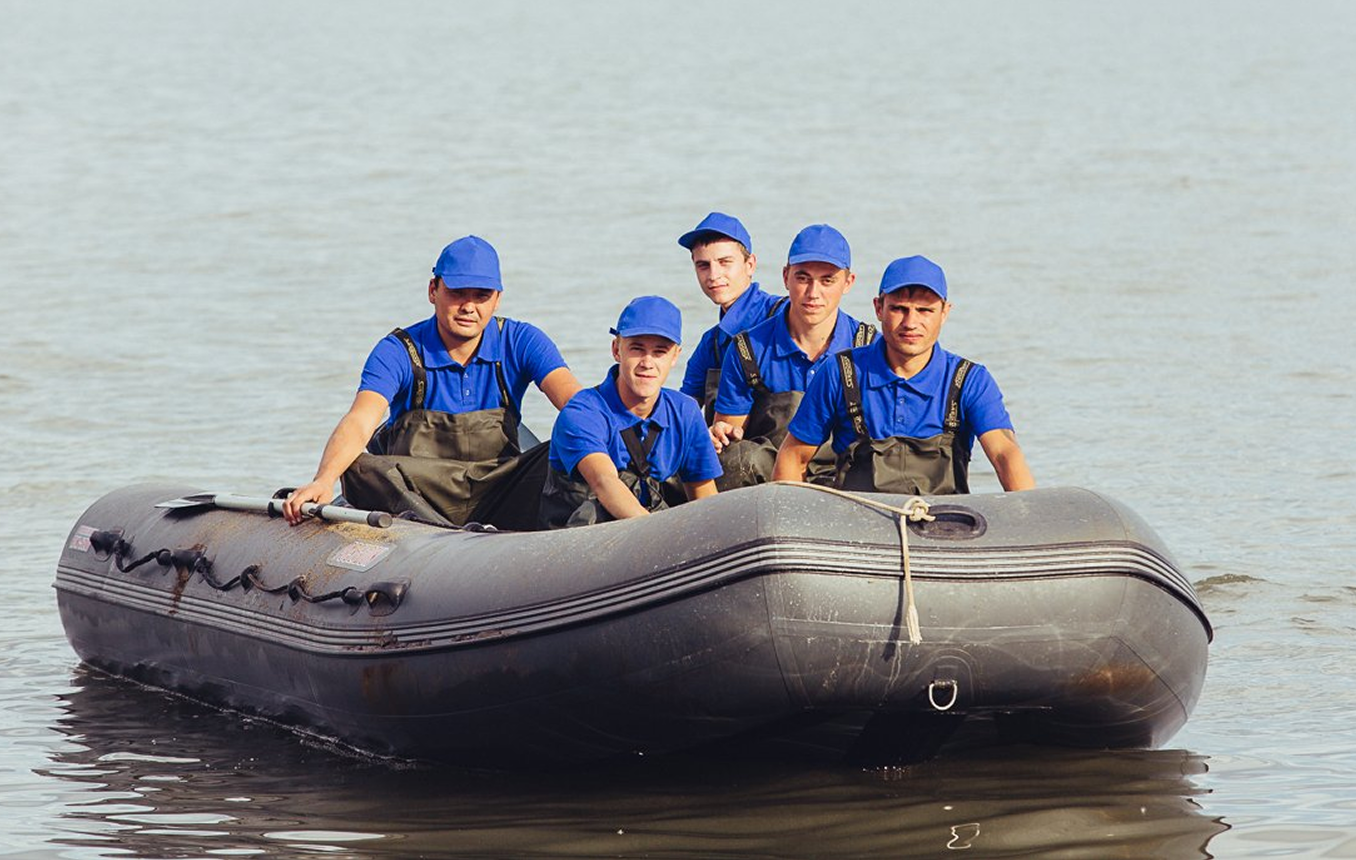
Our specialists patrol Lake Bolshoye Yarovoye year-round, using ATVs and boats.
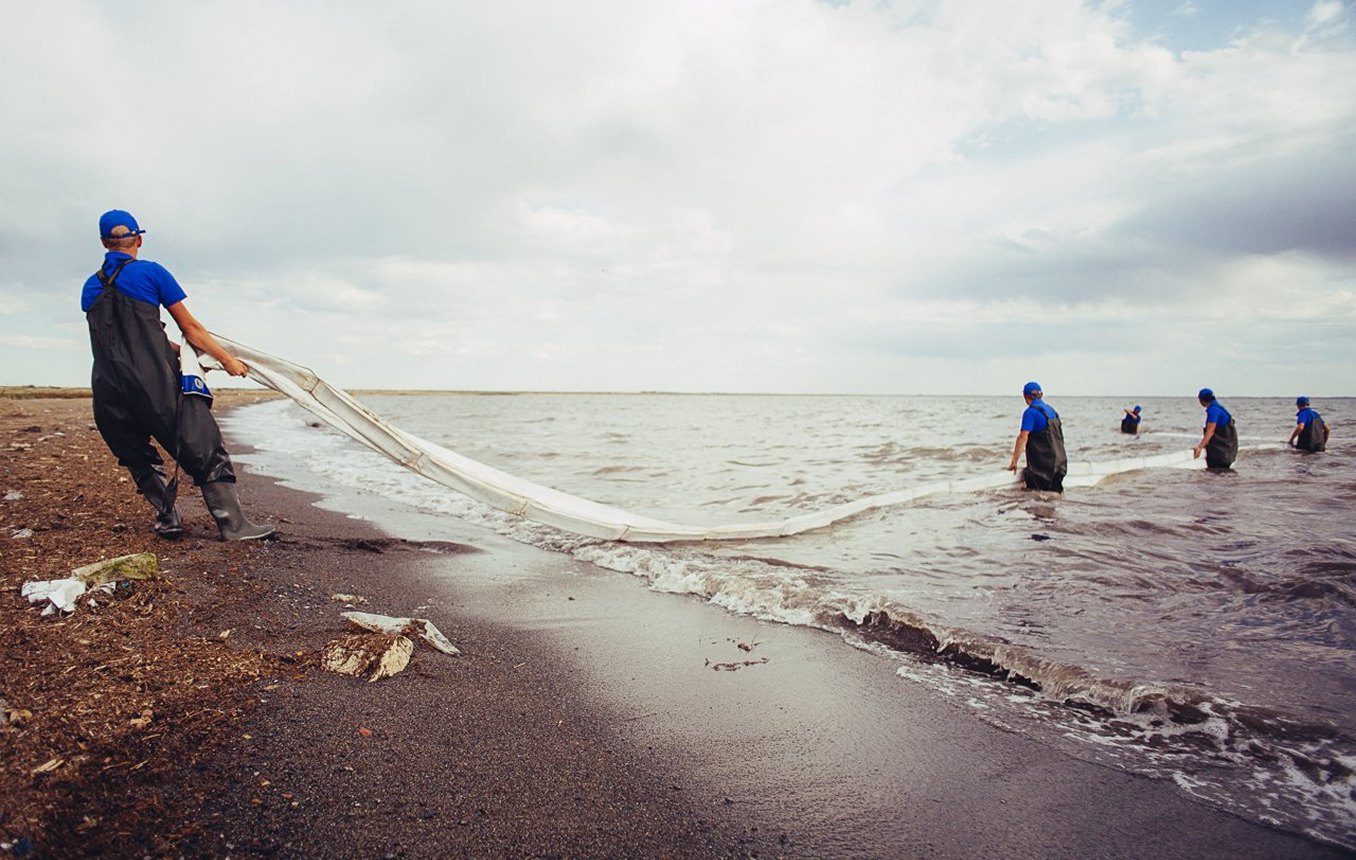
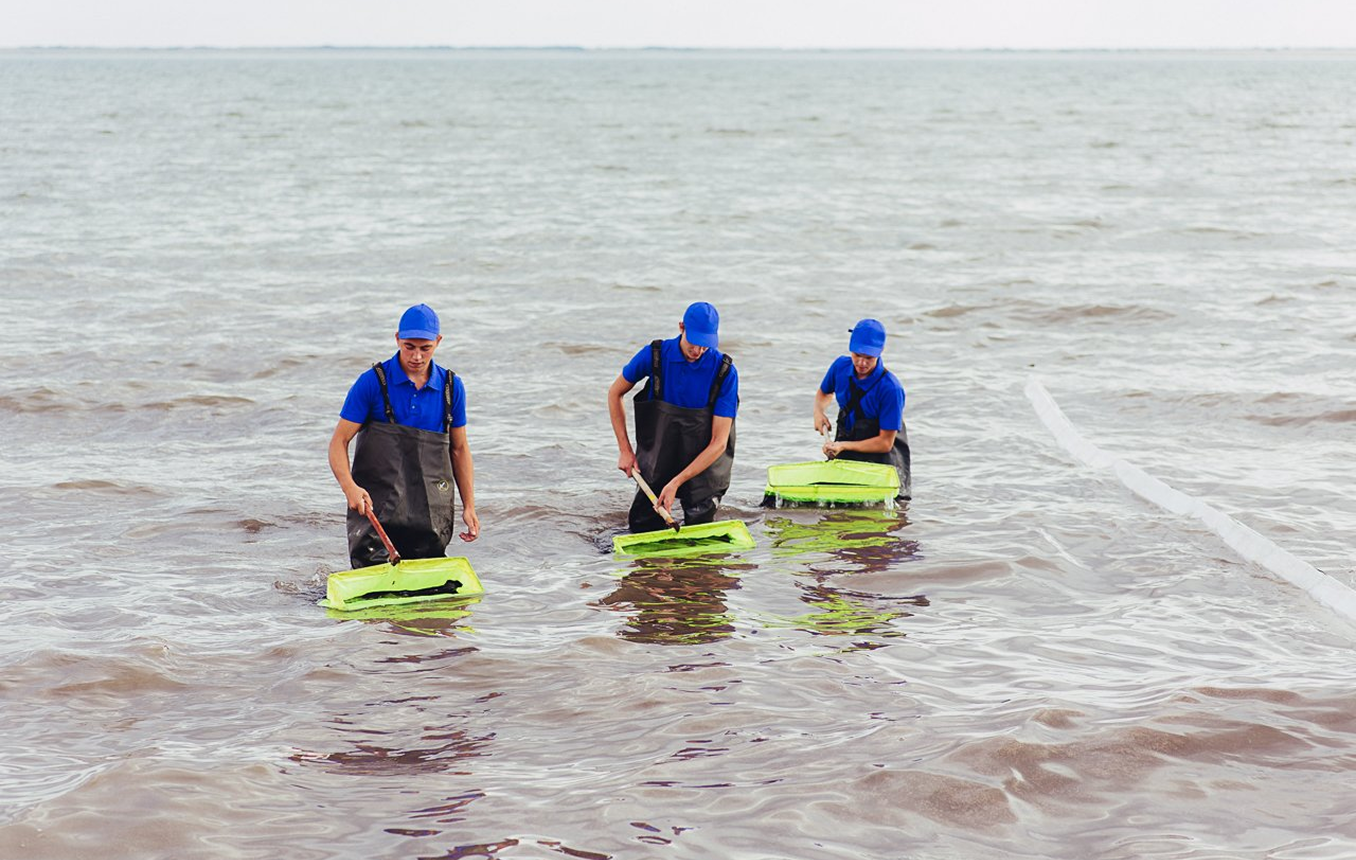
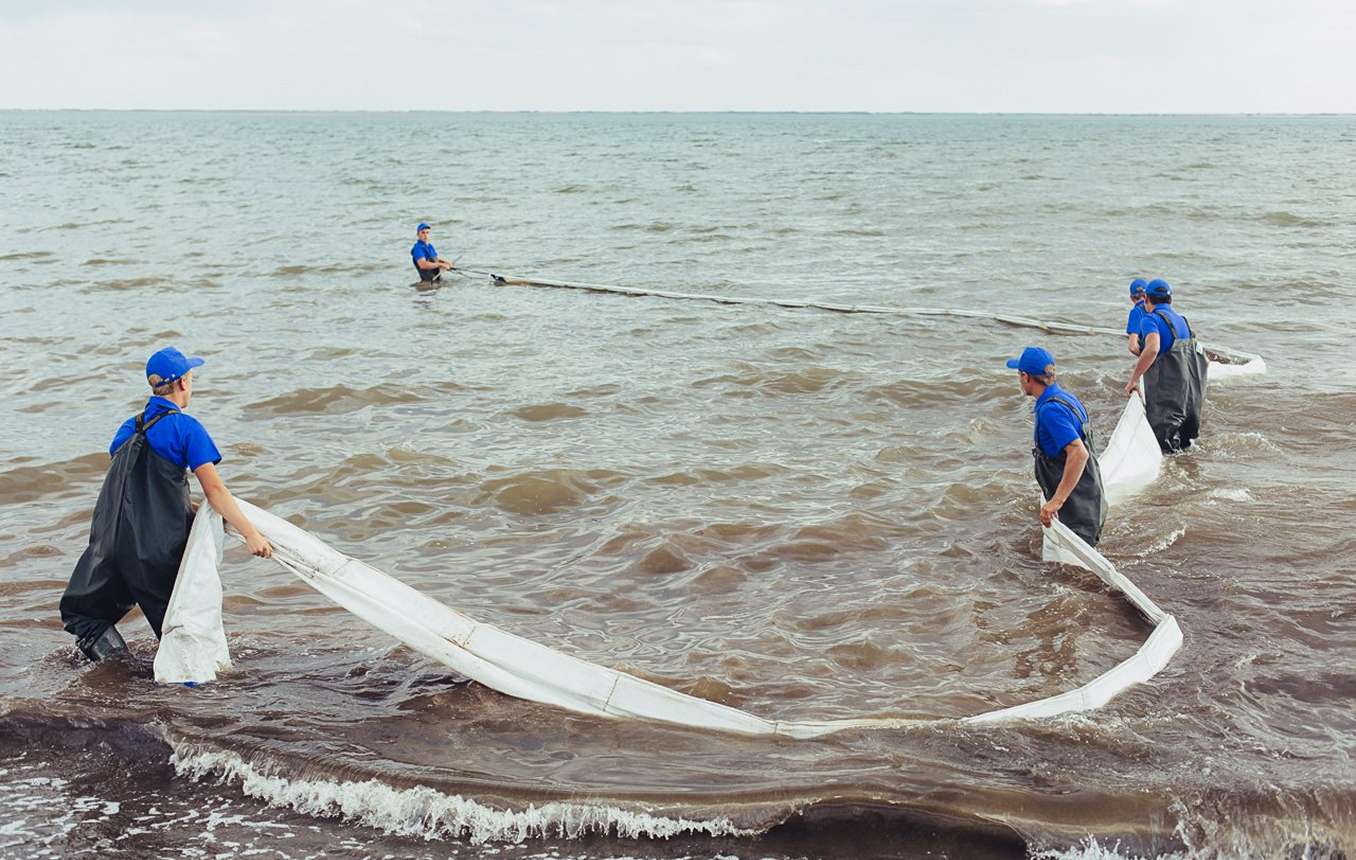
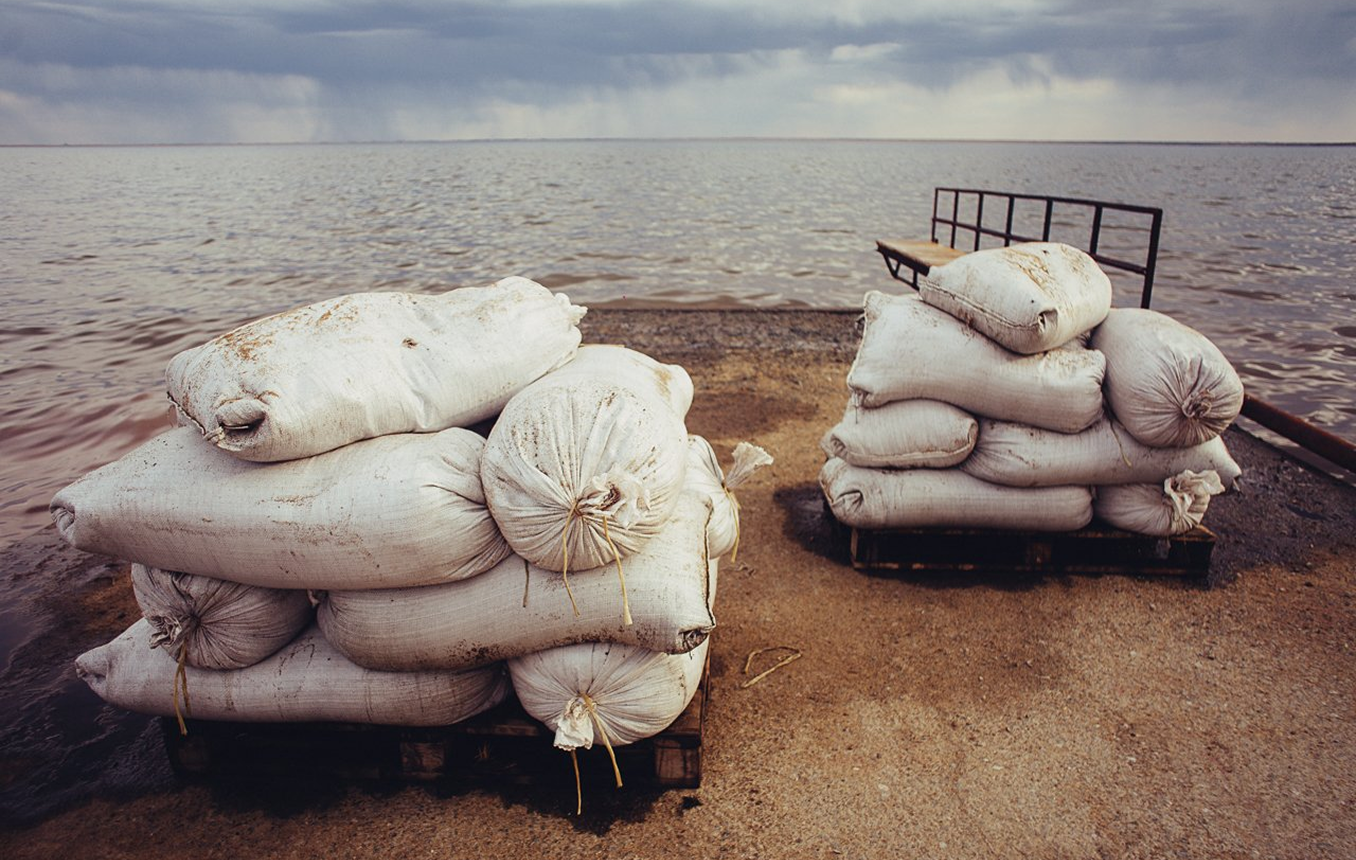
Upon finding a cluster, we set up mesh barriers along the shoreline. The wind pushes the cysts towards them, and the fishermen collect them with nets into polypropylene bags.
Quality is controlled at every step. Biomass? Shells? If there are too many, we wait.
Salt washing
The first step is a saline rinse performed at our lakeside facility near the pier. We use the lake's own brine. The tanks bubble, allowing heavy impurities to settle while the cleaned cysts float to the top, ready for the next stage.
A lab technician ensures the impurity percentage is within limits. If not, we continue rinsing until the required quality is achieved.
Post-rinse, initial hatchability tests are conducted, and results are logged. The batch is then labeled and prepped for temperature activation.
Temperature Activation
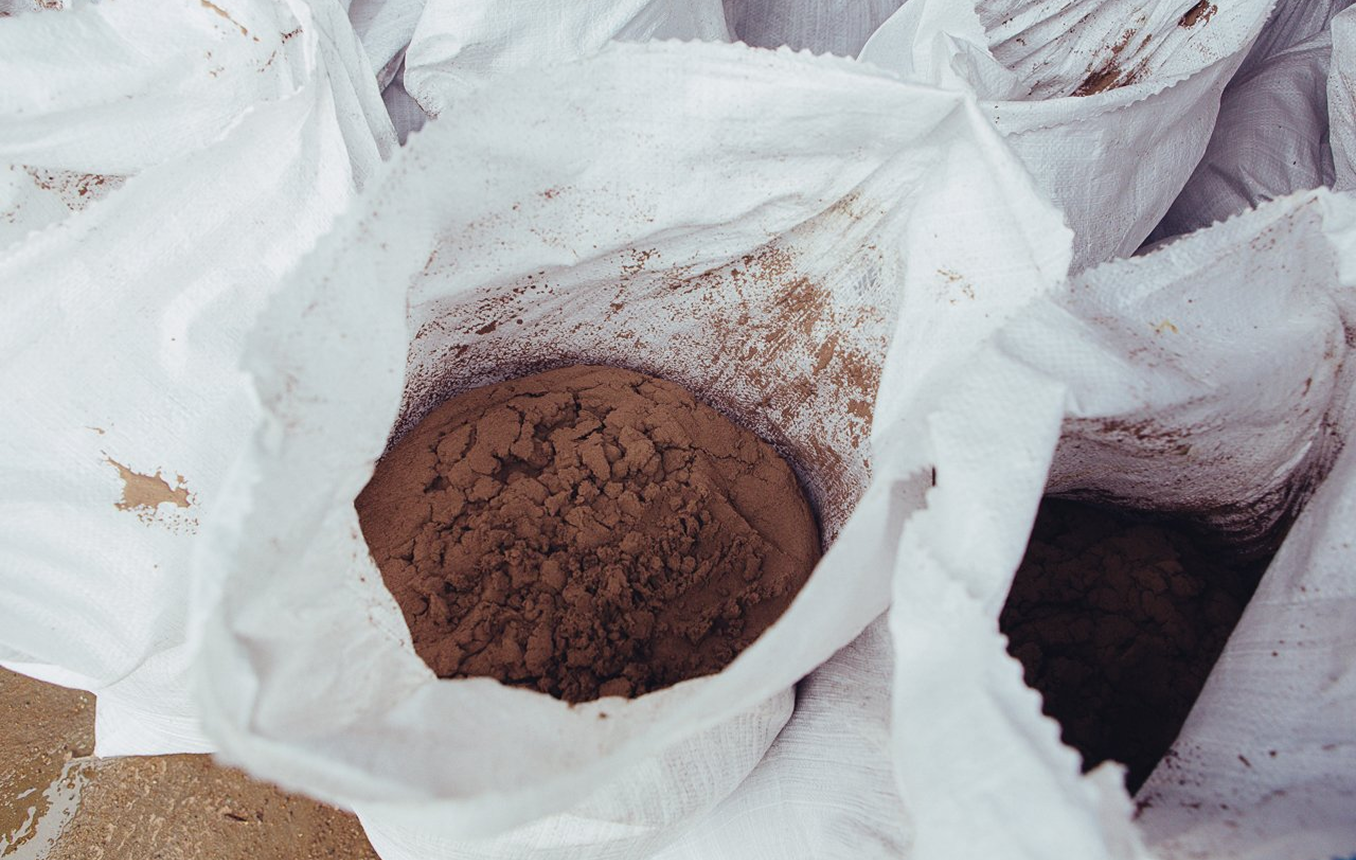
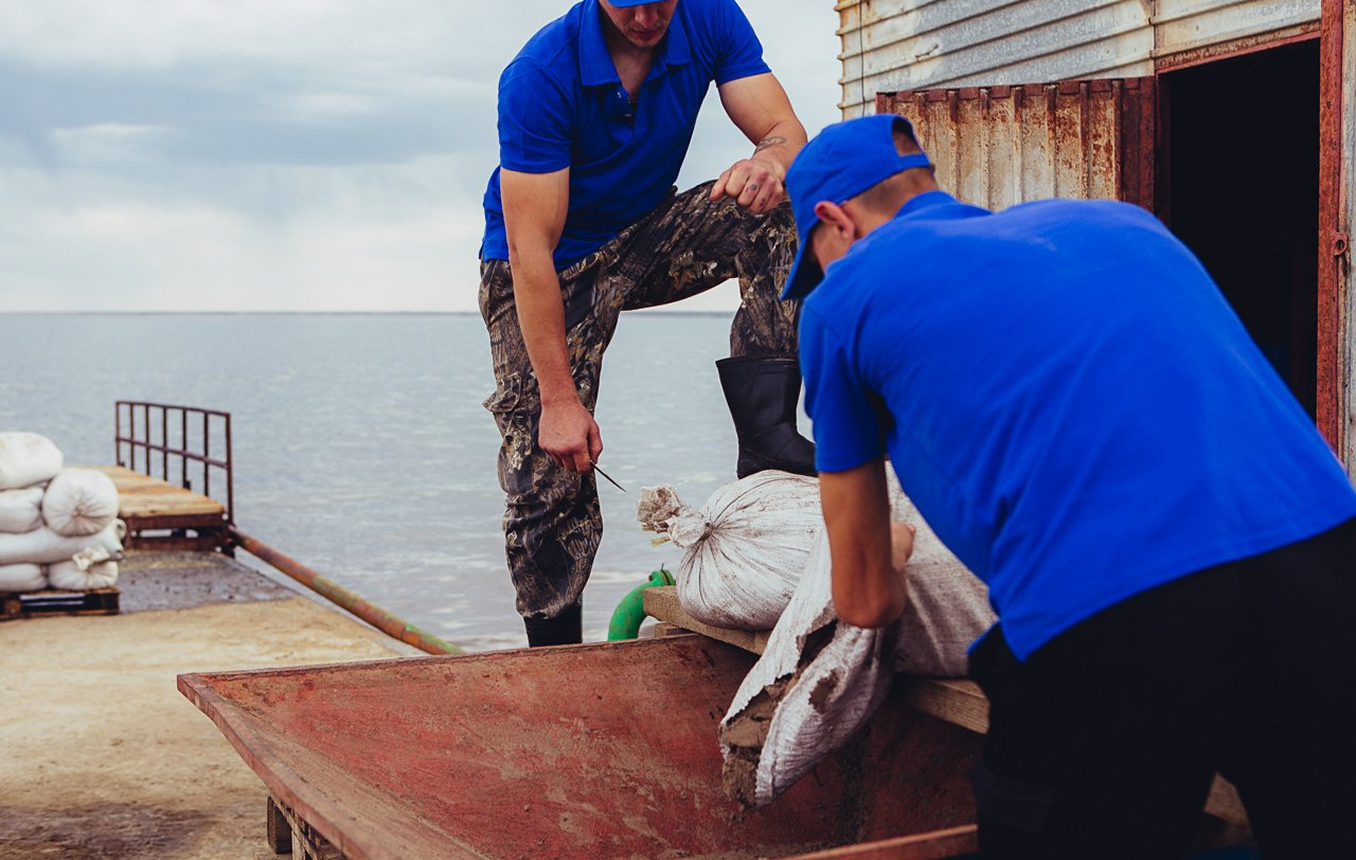
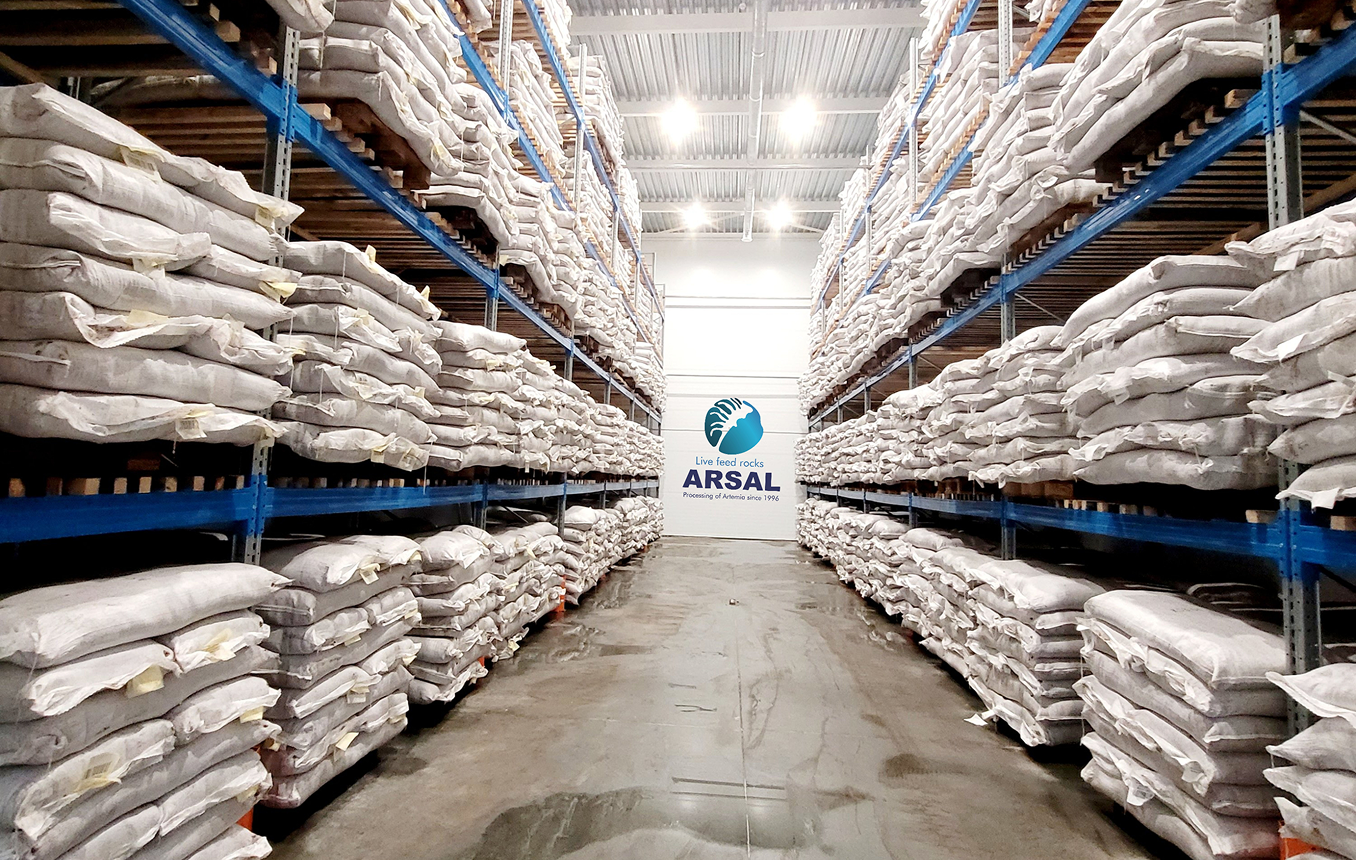
This stage lasts 3-6 months. Bags with moist product (45-50%) are placed in thermal warehouses at a temperature of 0-5°C.
Why is this important? Artemia cysts are in a state of diapause — a kind of winter hibernation. At low temperatures, biochemical processes are triggered inside, preparing the embryo for awakening.
We do not speed up this process. Yes, freezing shortens the period. But studies have shown that after six months, the level of hatchability drops by 10%. Stability is important to us — so that even after 3 years, the product works as well as on the day of purchase.
Every 30 days, laboratory assistants take samples and check germination. When the indicator reaches the desired level, the batch goes further.
Fresh-Water Washing
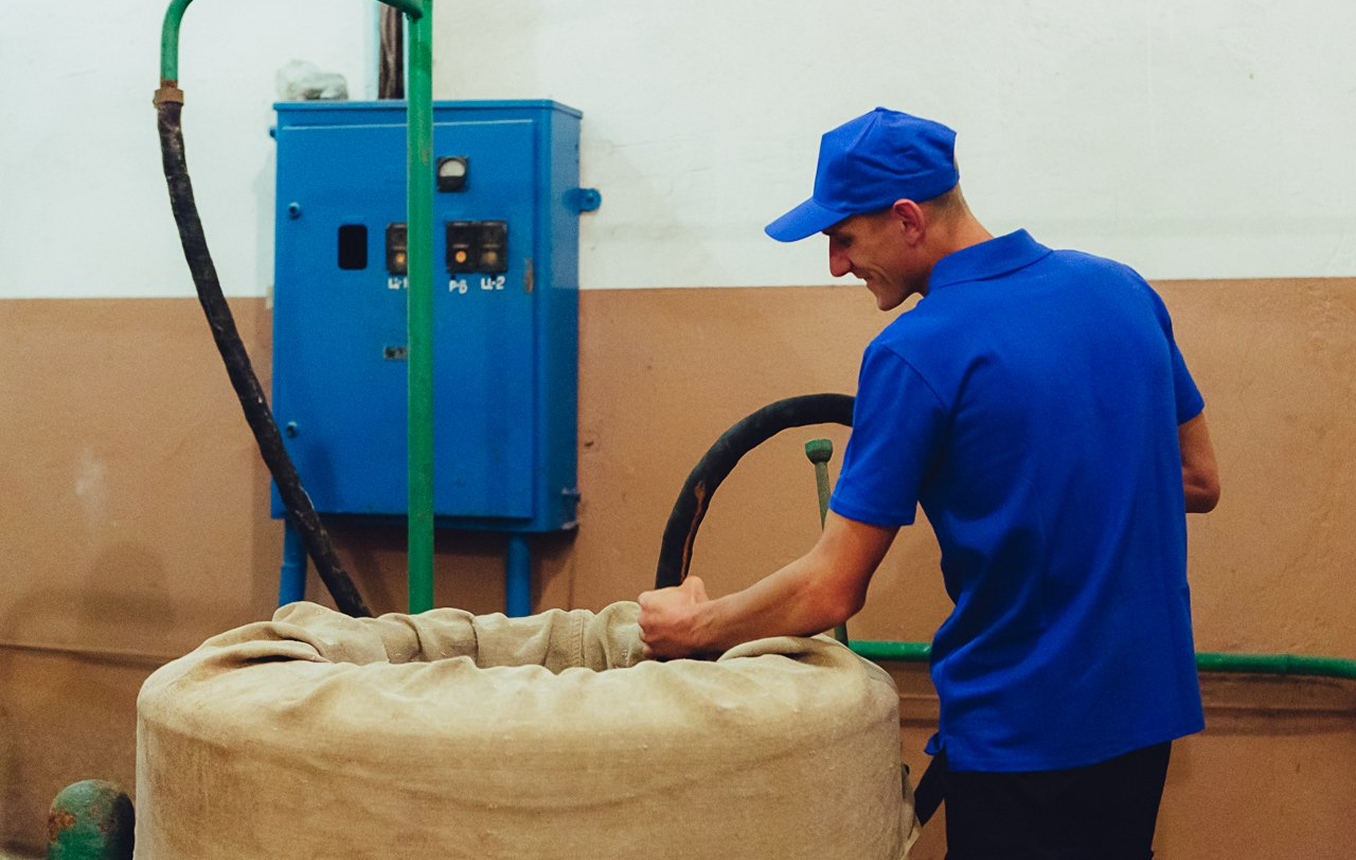
After their "winter hibernation," the cysts need to be freed from any remaining salt. However, they don't survive long in fresh water, so the entire process takes no more than 5 minutes.
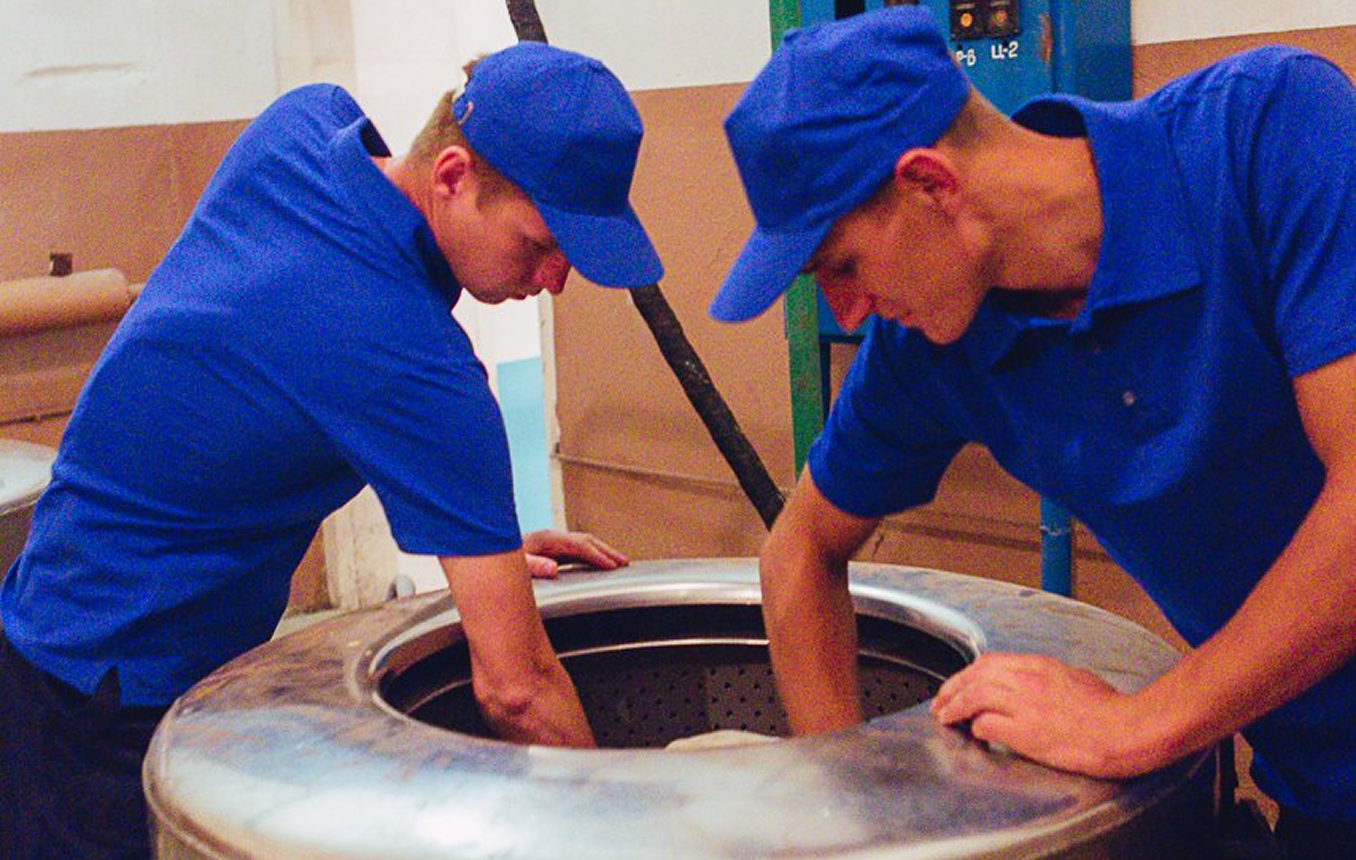
The lab technician monitors the quality, checking for purity. After rinsing, they are spun in centrifuges and moved to the drying area.
Drying — the final touch
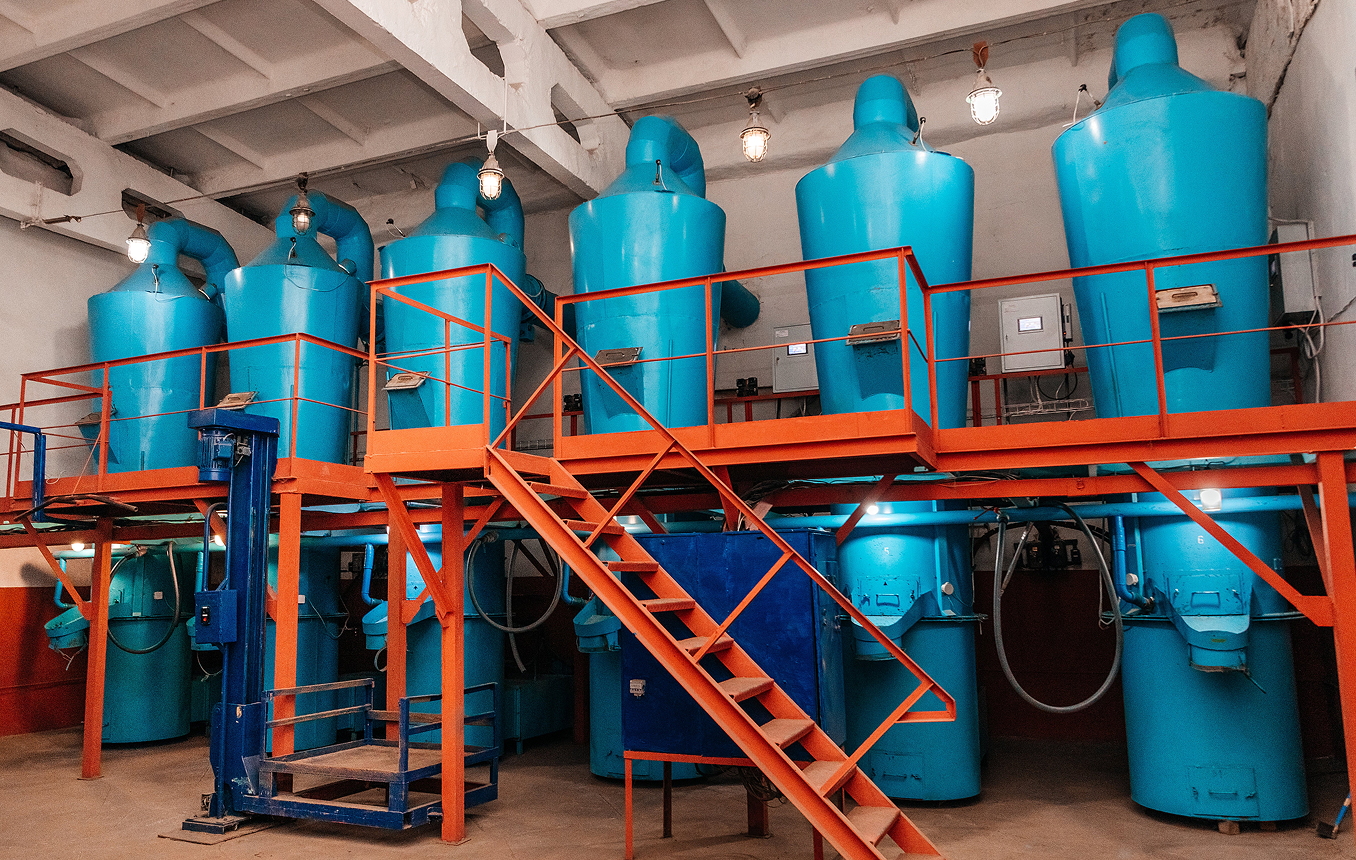
Fluidized bed drying is our favorite step. Dry, warm air is forced upwards, keeping the cysts constantly mixed and drying them evenly.
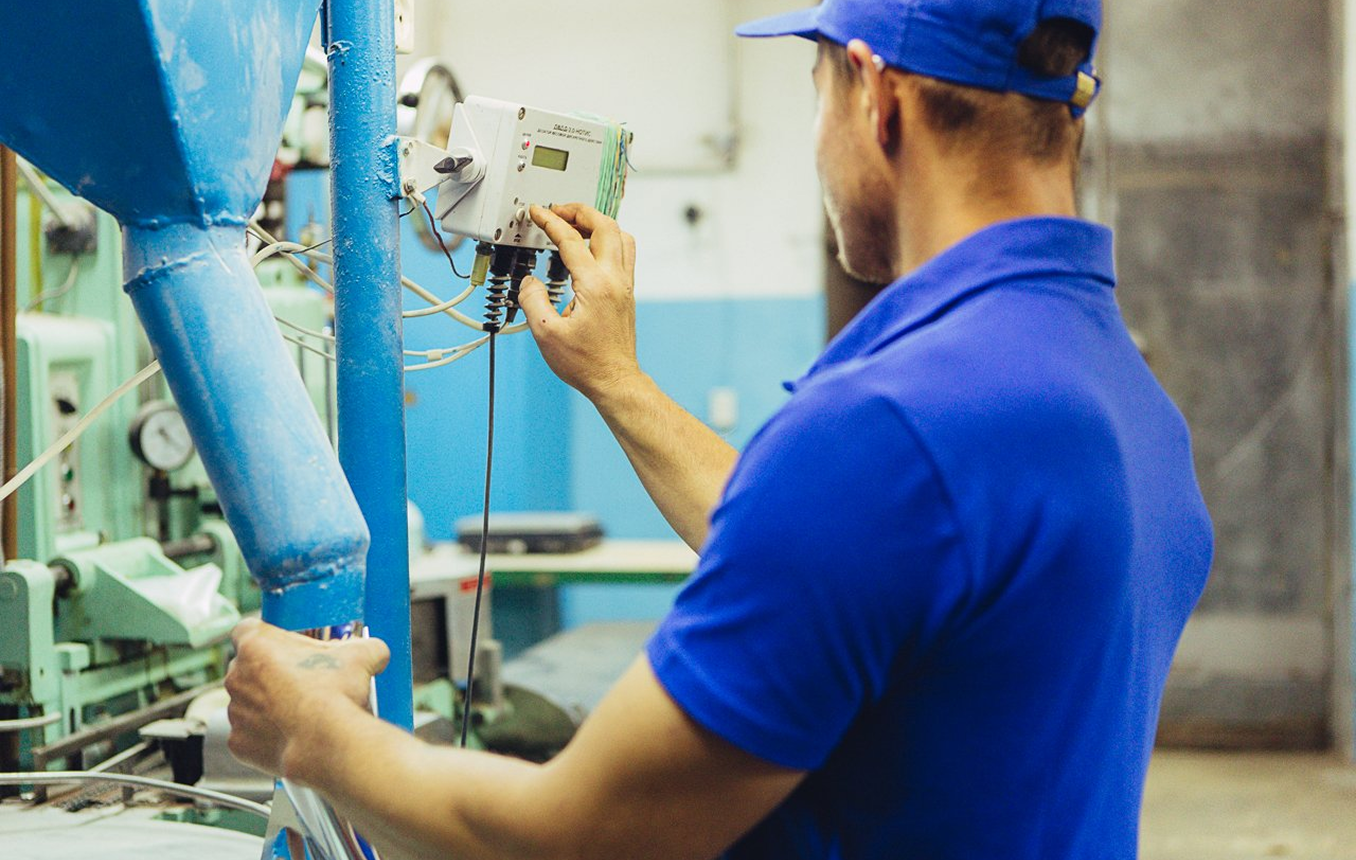
We check the moisture level every 5-6 hours, aiming for 6-8% in the final product. A mandatory laboratory check follows.
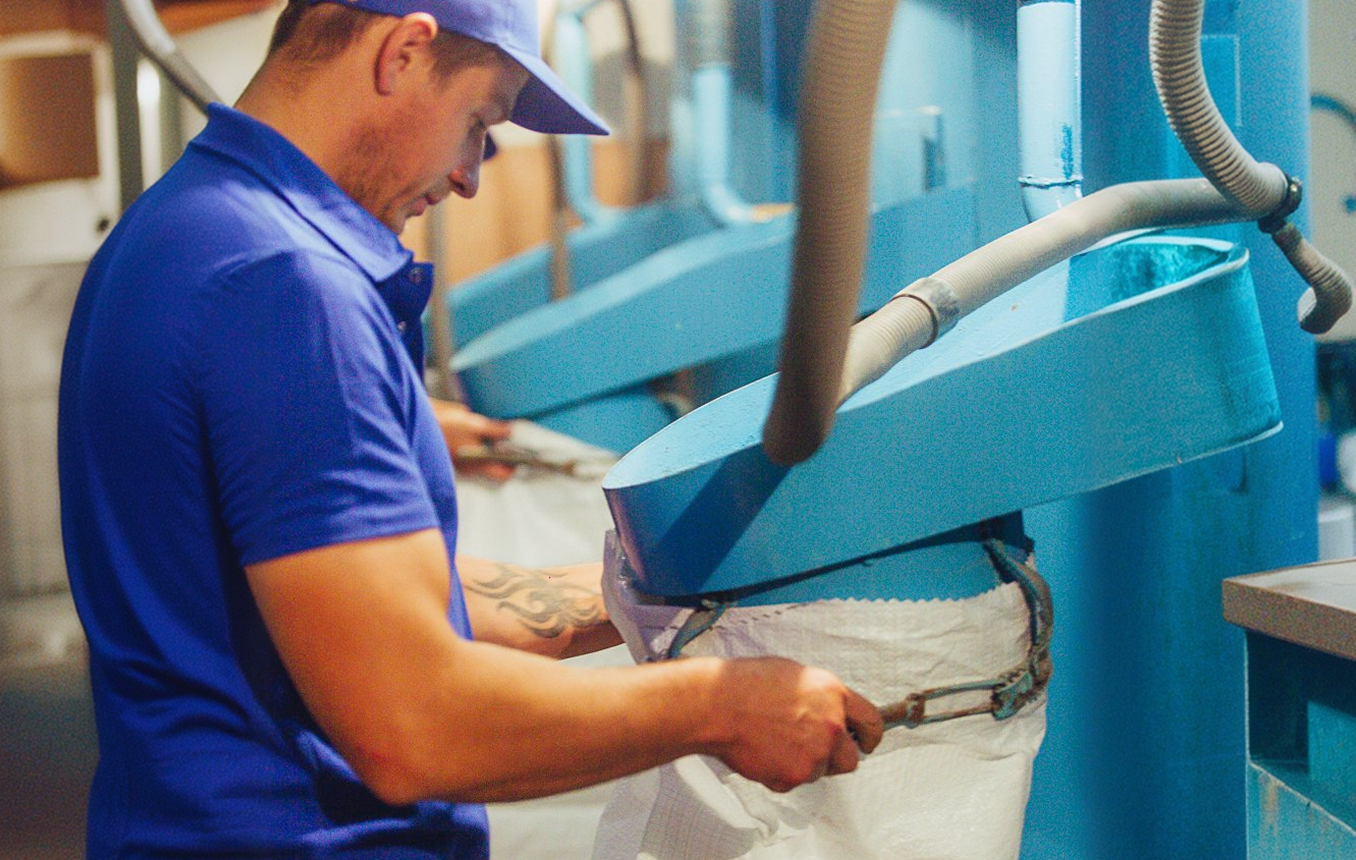
Only after approval do the cysts leave the drying chamber. Post-drying, the cysts rest for 24 hours to eliminate static electricity before being packaged.
Packaging and Shipping
The finished batch undergoes final checks: hatchability, moisture, purity. Based on the results, we categorize it into Gold, Silver, or Snow.
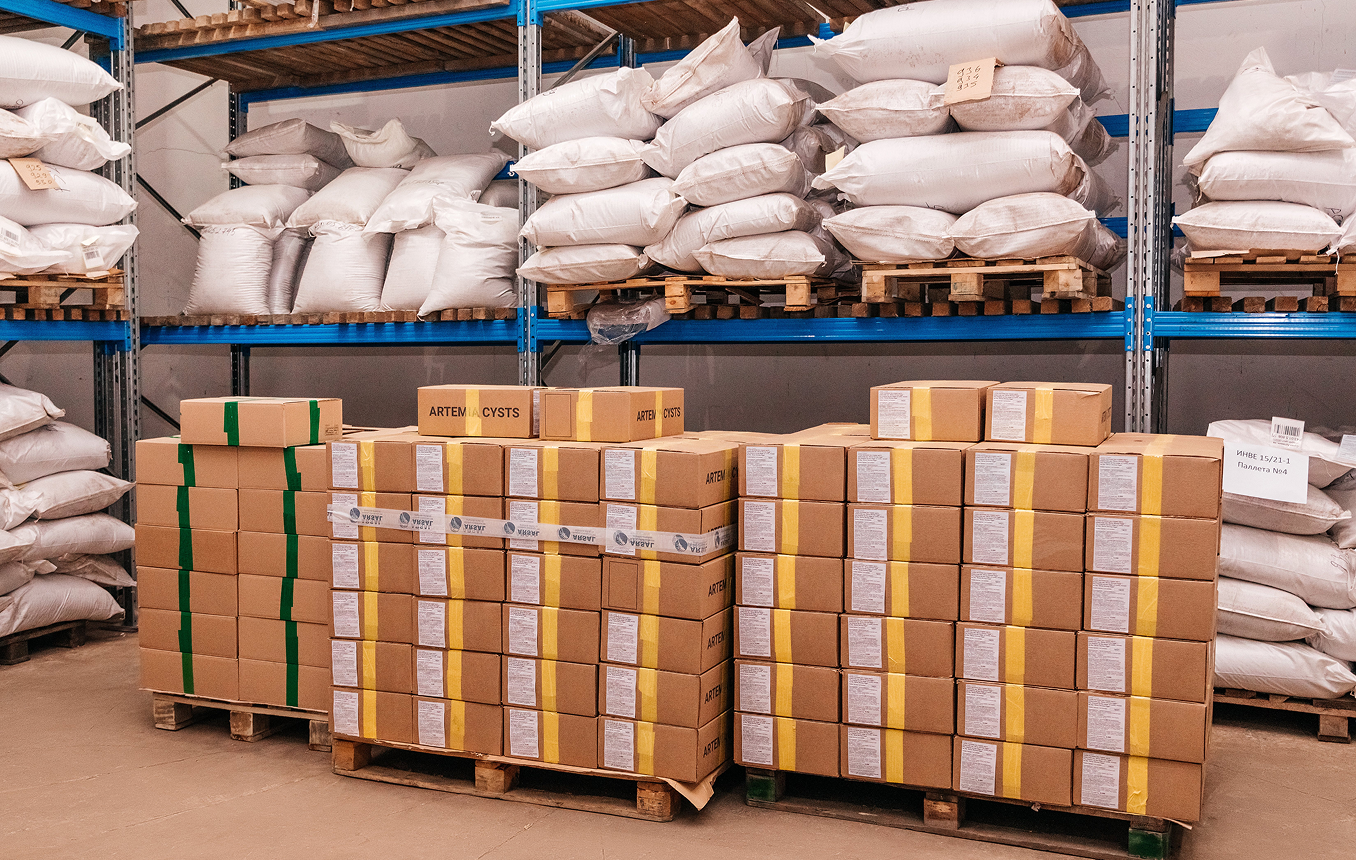
Packaging — tailored to your needs: - Metal cans with vacuum sealing - Aluminum foil - Plastic buckets - Barrels for large batches
Each package protects against moisture and air. Custom packaging with your logo is available.
Once the contract is signed, we begin packaging and shipping. We prepare export documents and obtain a veterinary certificate. Then, the goods are dispatched to you: by plane, ship, or truck.
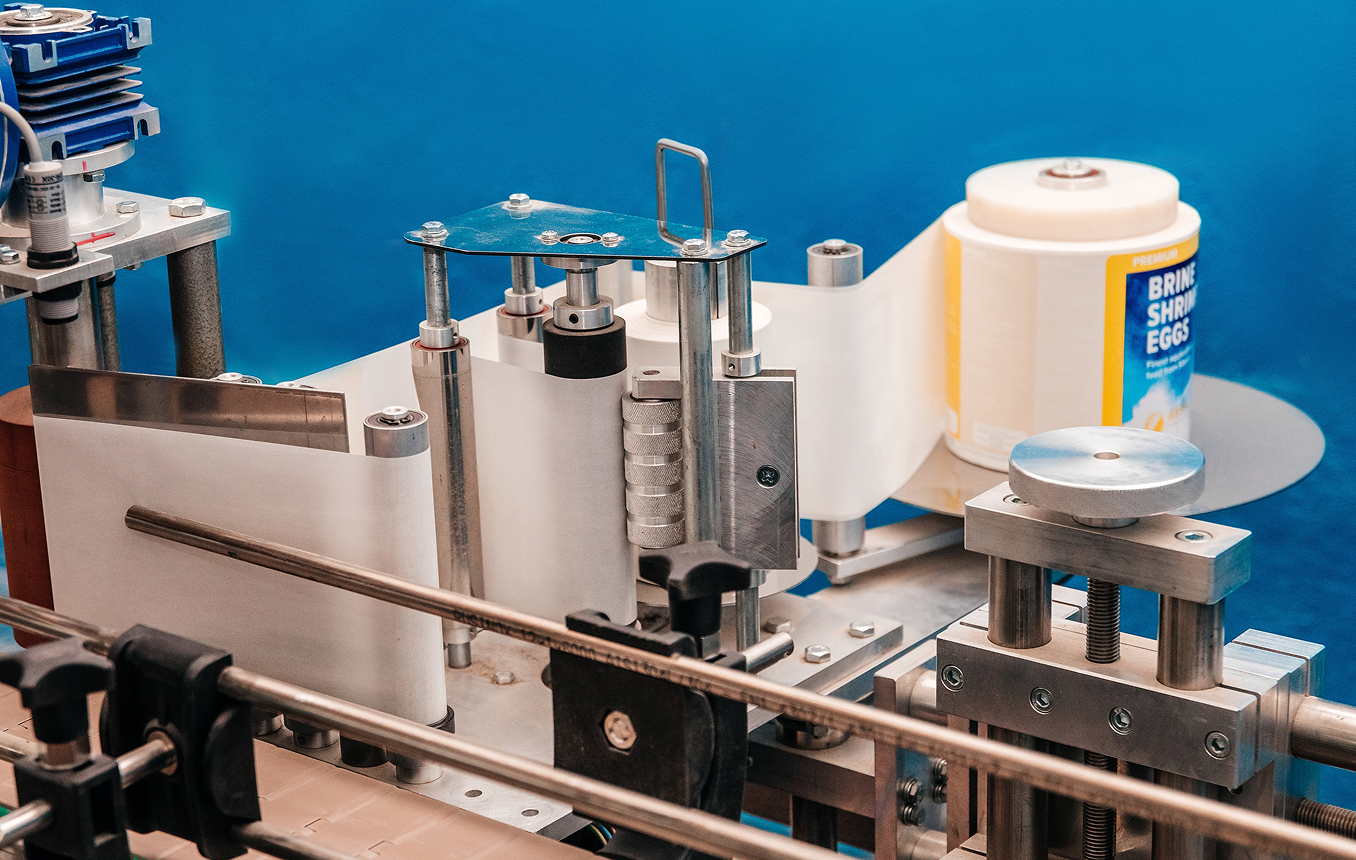
Our Approach
We don't use artificial acceleration. Nature has created the perfect mechanism, and we trust it.
Our task is not to interfere, but to create conditions. Each cyst is a small miracle. We handle them with care.
FAQ
How many days do you need to prepare and ship my order?
30 days (from the moment of receiving the application to shipment)
What kind of transportation can you offer?
By air, by sea and auto transport
What is the delivery time?
It takes 2-3 days worldwide by air and 30 days by sea.
How long is the shelf life of brine shrimp eggs out of the fridge?
Packed brine shrimp eggs can be stored at room temperature 20-22C without loss of quality for at least 30 days.
What is the salinity of Great Yarovoe Lake?
22-23%
What is the harvest time?
From the middle of July until the end of November.
How is customer support performed?
At all stages, 24/7. After receiving an invitation our technical specialist will be able to visit your production site if necessary.
How thick is the ice on the lake in the winter?
up to 1.5 meters.
When does the lake freeze?
At the end of November or at the beginning of December
What is the size of a nauplius?
It is 450-500 microns after 24 hours of incubation.
What is the color of Biomass?
It has saturated bright orange color.